Our mission is to advance human health by generating new scientific knowledge that drives breakthroughs in life sciences R&D.
The Science of Molecular Complexity
A quantitative link between structure, dynamics and biological function
From Atoms to Biology
The hallmark of BioDynLab’s technology is the Dynamic Molecular Complexity (DMC) metric, which blends physics and information theory.
In contrast to conventional, static metrics based on molecular architectures, the DMC is extrinsic and allows to view the involved non-linear dynamics of atomic motion from a radically different perspective.
We understand that at atomic level all biological systems are characterized by highly complex structural interactions, non-linear dynamics, and intricate information transmission pathways.
The DMC establishes quantitative methodologies helping understand these interactions and how they impact biological function. In other words, the DMC is the bridge between atoms and biology.

Advancing Lead Optimization
OPTIMUS™, our flagship computational platform, analyzes small molecules in early hit-to-lead, or lead refinement phases, and pinpoints atoms and moieties which drive biological function. Physics-based. Deterministic. Explainable.
Analog Prioritization at Scale
OPTIMUS™ evaluates batches of analogs in lead series, helping prioritize which compounds to synthesize first.
Universal Applicability across Novel Targets
OPTIMUS™ delivers prioritization insights without requiring training data, enabling rapid deployment across novel targets and data-sparse therapeutic areas including orphan and rare diseases. Learn more
Seamless Workflow Integration
OPTIMUS™ outputs can be readily integrated with existing cheminformatics and design tools without adding computational complexity.
The Value Proposition
Efficient Lead Optimization
OPTIMUS™ streamlines lead optimization by focusing on compounds with the highest potential. Reducing unnecessary cycles, R&D teams can optimize leads efficiently, accelerating optimization by over 50%.
Scalable Analog Prioritization
OPTIMUS™ evaluates large sets of analogs within a lead series to identify those with the strongest potential for biological performance.
Knowledge Discovery
The link between molecular dynamics (MD) and biological function lies at the very heart of modern structural biology. Molecular Complexity is that link and it reveals how molecules use motion to process information. It bridges physics and information theory, providing unconventional tools for analysis and understanding of information transmission processes.
By leveraging molecular complexity insights to guide drug design, teams can identify and develop novel compounds.
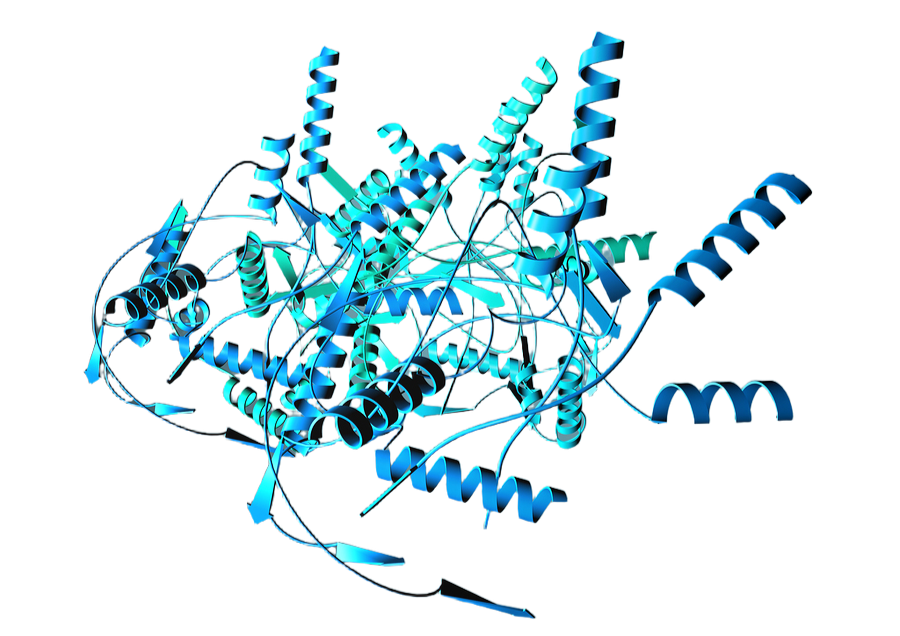
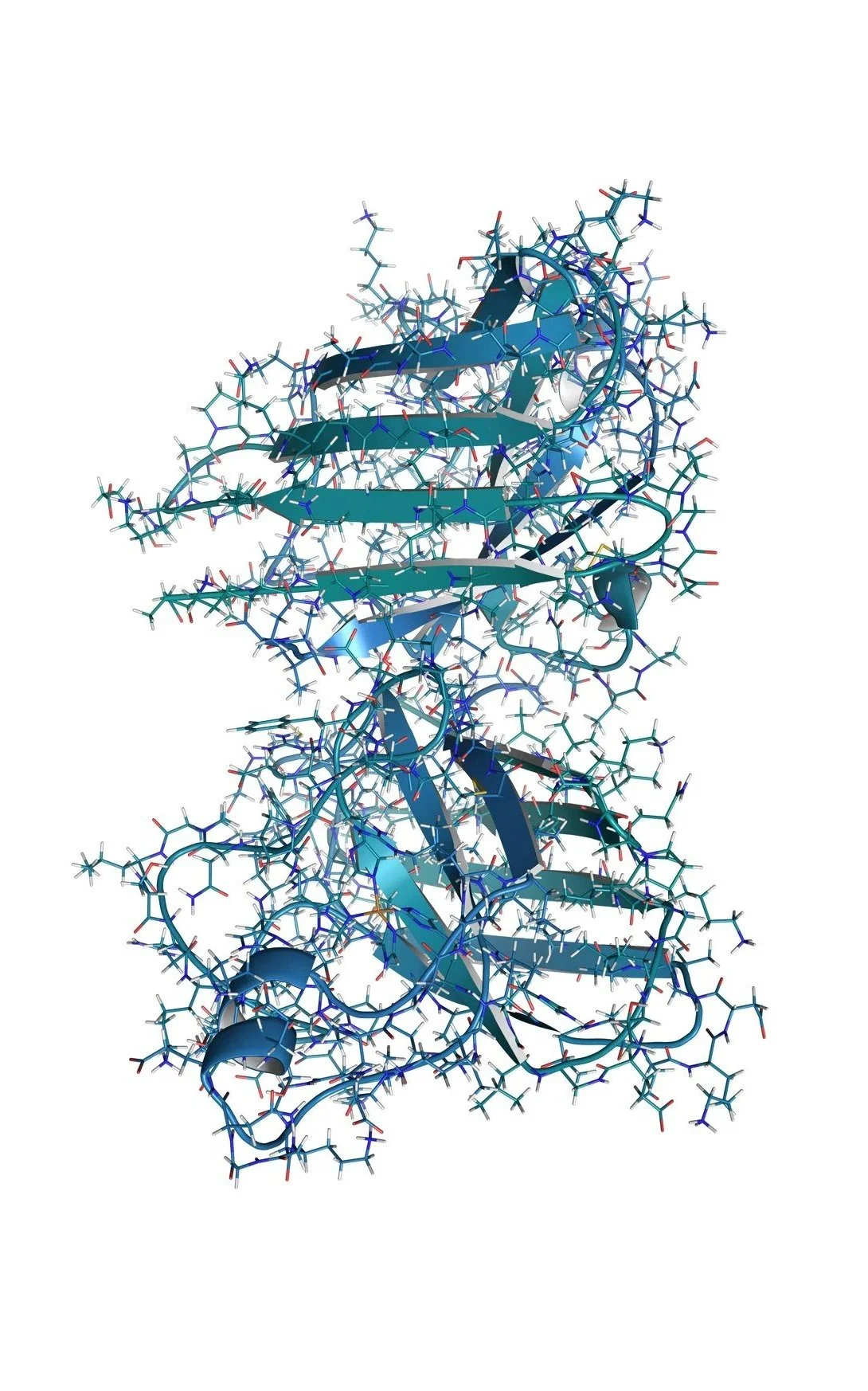
MACRO™ processes large and complex molecules, such as peptides or proteins, produces Amino Acid Participation spectra, measures of structural complexity and robustness, and enable deeper understanding of their stability, intricate dynamics, information transmission and biological function.
The Technology
Molecular complexity is a quantitative manifestation of the intricate dynamics of its atoms and measures encoded information, mapping its distribution. Decomposition of complexity into its components - the Atomic Participation Factors - identifies which atoms and to what degree drive biological function. Learn more
OPTIMUS™, is physics-based and combines Molecular Dynamics and the Quantitative Complexity Theory (QCT), to produce Atomic Participation Spectra. Knowing which atoms drive molecular dynamics delivers new insights and assists medicinal chemists by helping accelerate lead optimization. The proprietary, training-free, technology powering OPTIMUS™ is fast, bias-free and provides 100% explainability. Learn more
Conventional Molecular Complexity measures are static (intrinsic) in nature and don’t correlate with key drug properties as reported in the literature. A new, Dynamic Molecular Complexity (DMC) measure based on the Quantitative Complexity Theory, is extrinsic in nature and is obtained the dynamics of a vibrating molecule in given conditions, e.g., temperature, pressure, pH, etc., using Molecular Dynamics Simulation (MDS) tools.
The DMC, on the other hand, does correlate with drug properties and establishes a quantitative link between structure, dynamics, and biological function. Download flyer.
Services
Hit-to-lead and Lead Refinement
We process client’s Molecular Dynamics PDB files using OPTIMUS™ to produce batches of ranked leads/analogues for fast prioritization and design. In alternative we perform in-house MD simulations on structures shared by the client.
Integration with AI Pipelines
OPTIMUS™ enhances AI-enabled multi-parameter optimization for ADME/Tox prediction for medicinal chemistry R&D teams by adding APF-informed insights that provide a dynamic atomic-level understanding of compounds.
Target Protein Guidance
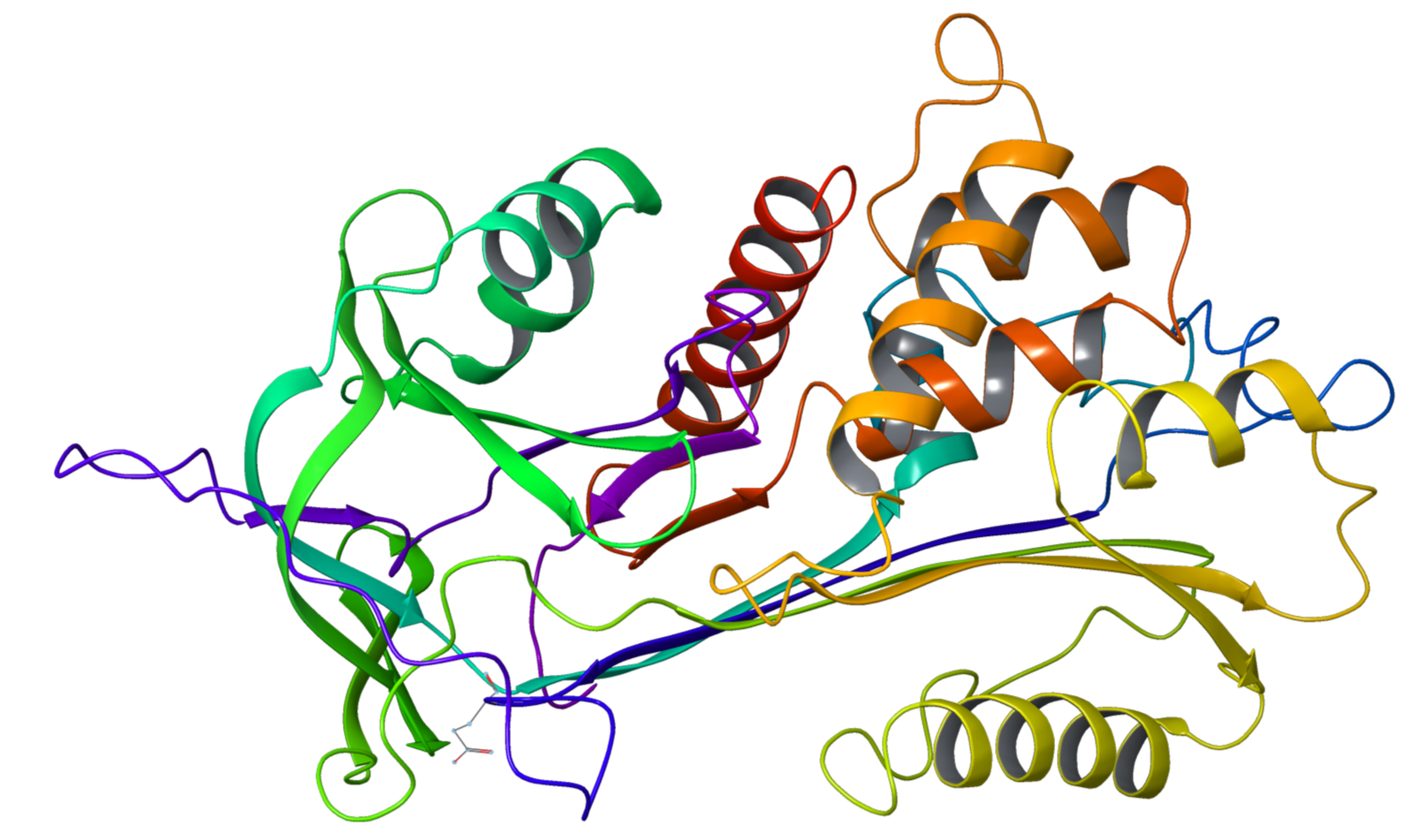
We provide target protein guidance through Amino Acid Participation Spectra analysis, analyzing proteins and protein-ligand ensembles to identify key residues, in the protein core that stabilize structure.
These insights inform rational modification, design, and optimization decisions.